
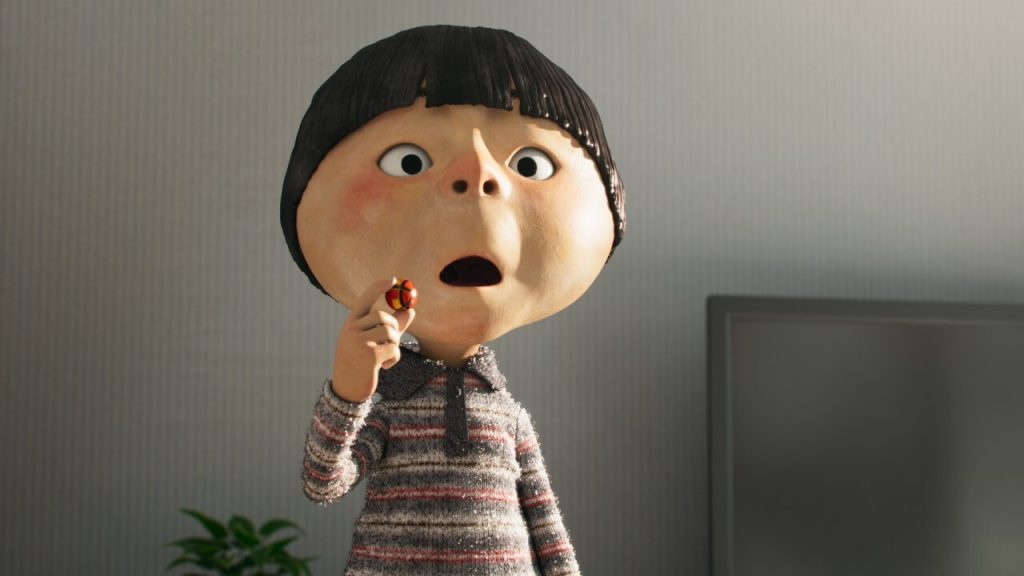
Unzipping the Magic in Magic Candies: A Chat with Animation Producer Takashi Washio
–
‘Magic Candies’, an Oscar-nominated short film, showcases a unique blend of gorgeous magic realism to highlight the themes of empathy and understanding from a child’s perspective.
–
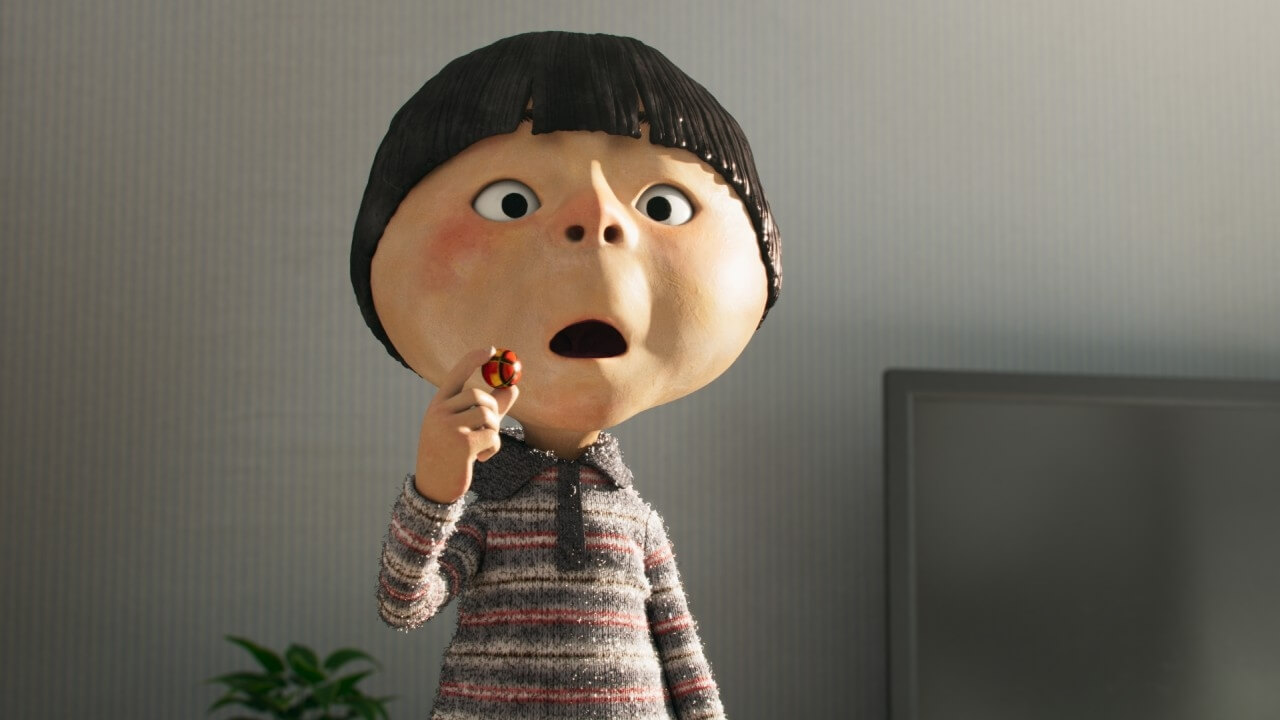
Directed by Daisuke Nishio, the enchanting tale revolves around Dongdong, a solitary child who stumbles upon a bag of magical candies that have the power to bring life to inanimate objects around him.
–
Dongdong engages in light-hearted dialogues with his transformed living room sofa, learning a lot more about himself and the world in the process.
–
The article provides insight into the production aspects of the film through an interview with producer, Takashi Washio.
The Revelation: A Bite of Magic
So, what does it mean when you dash on sugar and spice and everything emotionally nice, and take it through a magical realist twister? Ta-da! You get an Oscar-nominated short film like ‘Magic Candies.’ In animated storytelling, we usually have animals or aliens doing the wacky talking, but a couch? Now that’s a plot-twist with a cushioned impact. Oh Dongdong, what have you got yourself ‘sofa’ into!
In our wider world of animation, it’s refreshing and relieving to know that you don’t always have to take the superhero route or rely on anthropomorphic animals to make a story compelling. Instead, a chat with a magically animated couch could be just as gripping, if not more. Guess it’s time to pop a candy and chat with the old armchair, eh? Let the magic unfold! Something tells me, animation confectionery is waiting to burst onto the scene, one magical candy at a time. After all, who doesn’t want a conversation with their toaster or television reminding them that everyday objects might just be our unsung heroes. Kudos to Daisuke Nishio and Takashi Washio for minting out a piece so refreshing and ‘so fa’ so good!
© Toei Animation
Explore the enchanting world of the Oscar-nominated short, Magic Candies, directed by Daisuke Nishio. Through the eyes of a lonely child named Dongdong and his whimsical adventures with anthropomorphic candies, delve into the captivating ideas of empathy and changing perspective. Follow Dongdong as he unveiles his father’s hidden warmth, the beauty of the natural environment, and finally forms bonds with his peers.
Immerse yourself in the dazzling storytelling and stunning CG animation of Magic Candies, which brilliantly mimics a stop-motion look. A product of Toei Animation, this animation carries the distinguished imprint of Takashi Washio, a seasoned figure in Japan’s animation industry. Join us as we unpack the original vision, children-centric narratives, and the intricate visual details of this short with Washio himself.
Discover the inspiring conception of Magic Candies
A Korean picture book, brimming with clay-like animations and finely drawn emotions of its young protagonist, served as the initial inspiration for Magic Candies. Carrying my strong emotions from my first read, I approached the author, Ms. Baek Hee-na, for her consent to adapt this engrossing narrative into a film.
What is the significance of empathetic narratives and their impact on children?
It is integral for audiences to project their own feelings onto characters in any narrative. Understanding that others share similar emotions and thoughts bolsters our self-affirmation. By introducing this concept at an early age, children are likely to evolve into empathetic adults in the future.
Considering the increasing prevalence of loneliness among children, was this a motivation for the film?
Introverted children have always existed—I can relate as I was once one of them. Hence, Dongdong’s character resonated me. I’m positive many viewers will share the same sentiment. I hope this film reassures audiences that they’re not alone in feeling lonely, encouraging them to move forward, akin to Dongdong.
How much of your visual design was inspired by the picture book and the elements you added?
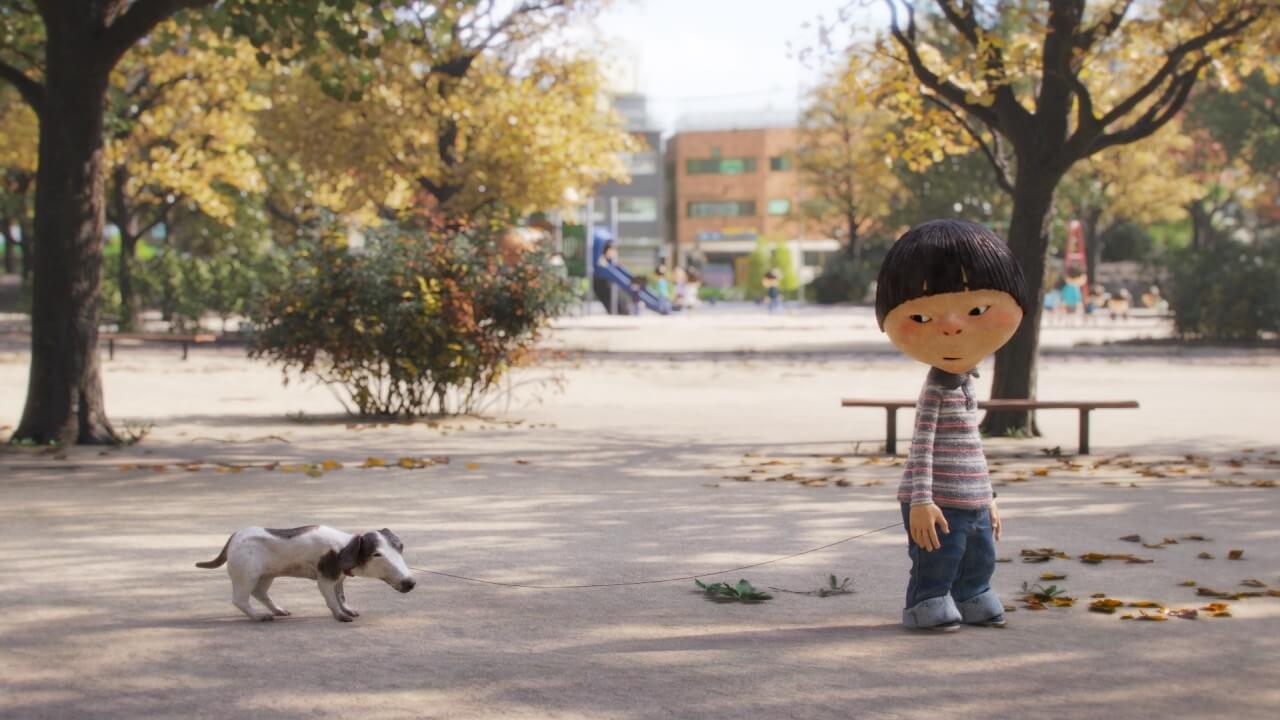
After numerous deliberations with the team and Director Nishio, we were dedicated to conserving the original’s essence. While maintaining the characters’ clay-like charm, we expanded Dongdong’s world, hinting at its boundless possibilities. The initial cityscape and the closing scene of falling leaves were designed to emphasize a world brimming with beauty and potential.
© Toei Animation
Unveiling the stop-motion-esque CGI of Magic Candies
Maintaining the warmth and simplicity of the original was crucial. Converting the picture book’s unique style into CGI animation was challenging. If we had resorted to stop-motion, we would have compromised the unlimited expansion of Dongdong’s world. While working on details like clothing and skin textures, the team adopted limited-frame motion, similar to traditional 2D animation, leading to movements that complimented the character design.
As an internationally recognized Japanese anime, has Magic Candies influenced Japan’s animation industry?
A short film like Magic Candies might not revolutionize the Japanese animation industry. Nonetheless, global recognition underscores the importance of crafting narratives that both adults and children can enjoy. Audiences appreciate humor, visual artistry, and emotional connections with the protagonist. If we persist in delivering content that resonates with a wide spectrum of viewers, we could definitely influence the Japanese animation industry and potentially the world.
Don’t miss the 97th Academy Awards airing on March 2nd, 2025, at 7pm ET/4pm PT (March 3rd, 12 am GMT).
Original article: https://www.skwigly.co.uk/takashi-washio-magic-candies/