

Oscar Abuzz with ‘Beautiful Men’
Key points:
- “Beautiful Men”, a stop-motion animated short film, is nominated for an Oscar this year.
- The film follows the journey of three brothers to Istanbul on a quest for hair transplants.
- ‘Beautiful Men’ provides a critique and exploration of beauty standards for men, going beyond the usual discussions of male pattern baldness.
- The characters’ journey symbolizes their attempt to fit within societal norms and feel comfortable in their own skin.
Our steaming hot take:
While some might say “hair’s to you” in light of this movie, let’s comb through the real strands of thought here. The stop-motion film ‘Beautiful Men’ is not just a hair-raising journey of three follically-challenged brothers, but a profound exploration of masculinity and society’s rigid, and oftentimes, baldly unrealistic beauty standards. Indeed, it toupees tribute to all men who face the shear pressure of fitting into the mould, whether it’s a full head of hair or six-pack abs. So, let’s give it a standing ovation or, better yet, a standing hair-vation! After all, even Oscar is bald on top!
© Miyu Production
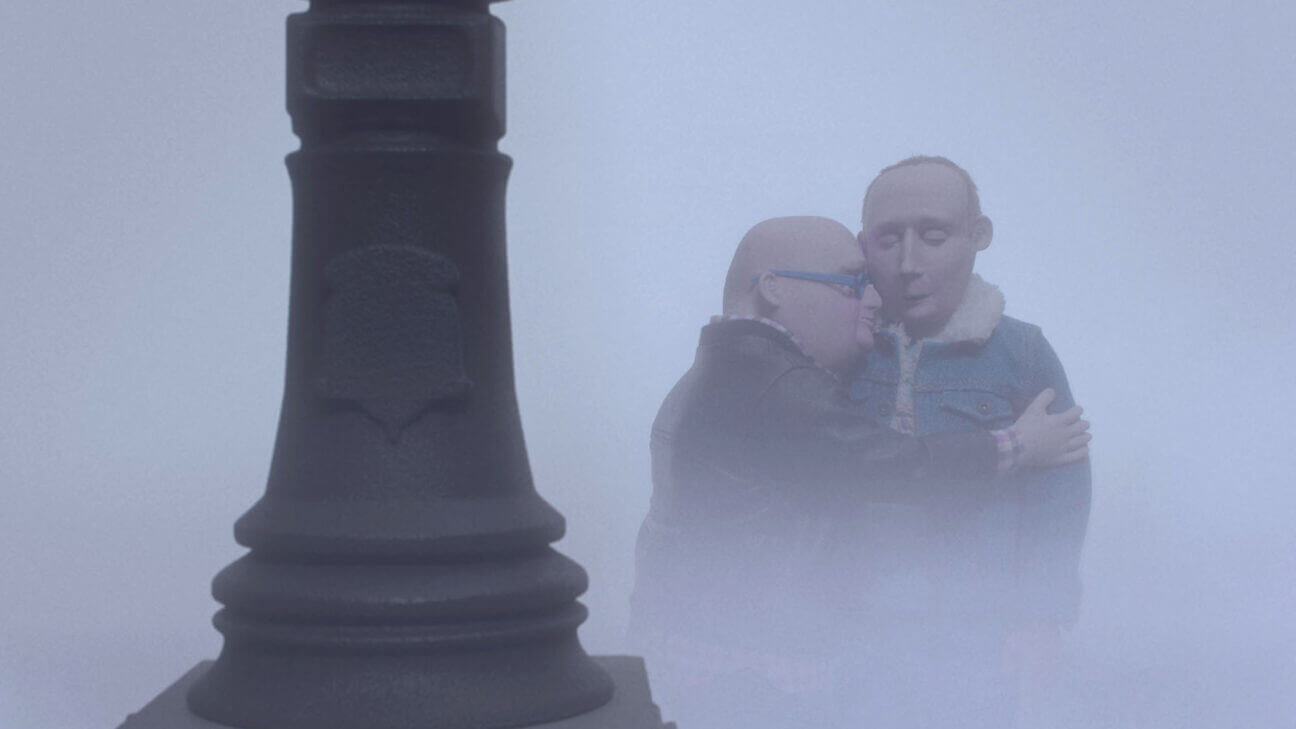
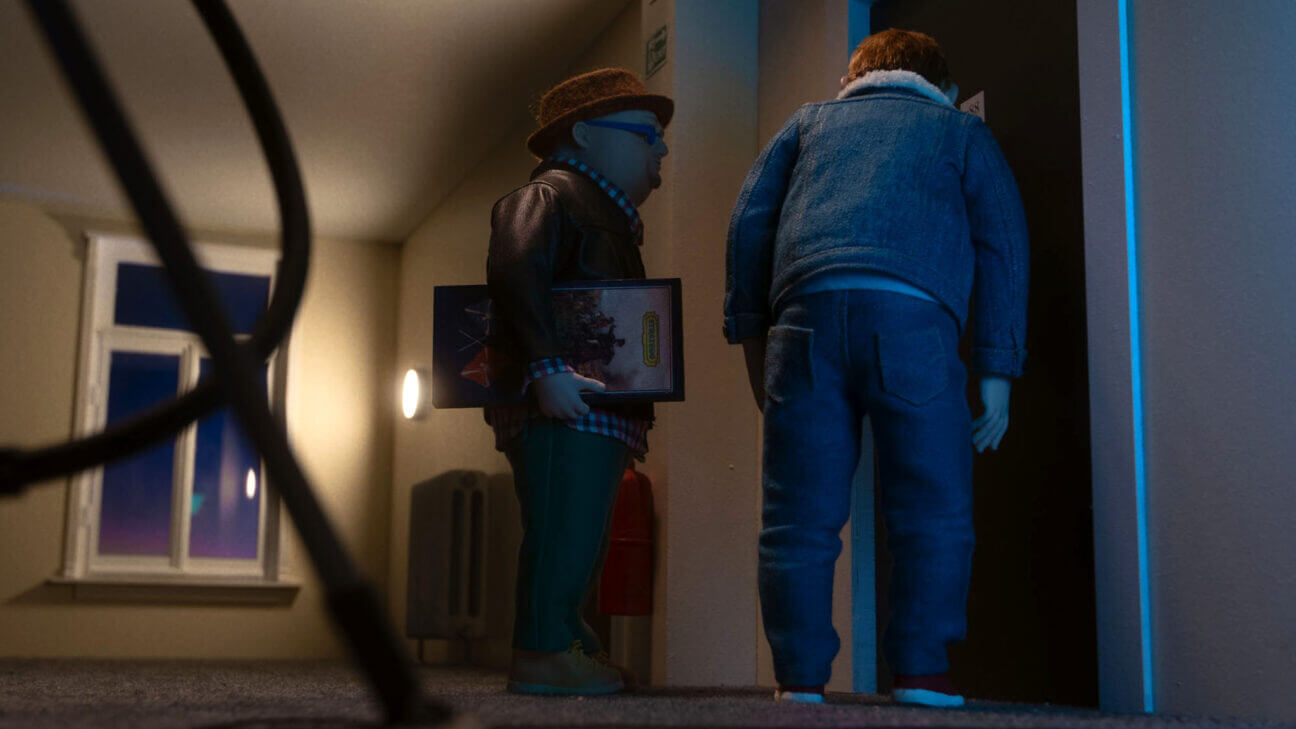
In this year’s roster of animated shorts for the Oscars, a standout is Beautiful Men, a poignant stop-motion narrative about three siblings’ journey to Istanbul for hair transplant procedures. The film explores male beauty standards from a new depth, transcending the topic of hair-loss. It revolves around protagonists struggling with self-acceptance, as they compare themselves to fitness models and athletes, finding fear and distaste when looking at their reflections.
Nicholas Keppens, the director of Beautiful Men, switched from 2D animation to stop-motion animation at the last minute, highlighting the very palpable and real nature of the issues the movie uncovers. Skwigly had a chance to chat with Keppens on the eve of his journey to LA for the Oscars.
How did the concept for the movie first come to you, and why did you feel compelled to share this story?
The inspiration hit me during a work trip to Istanbul in either 2018 or 2019. My colleague had booked us into a hotel that linked up with a hair clinic without knowing. The hotel’s breakfast room was packed exclusively with quiet, solitary, balding men. The scene was gentle and endearing, very unlike the boisterous vision you’d typically associate with a crowd of holidaying men. I knew immediately that this was a great narrative springboard.
Can you share some of your primary sources of inspiration?
I have always admired Federico Fellini’s visual style. And during the scriptwriting process, I found myself drawn towards his films, especially I Vitelloni, a movie about men hanging out together in a small town. The ending, which I used as a reference for Beautiful Men shows the last man leaving town. As he looks out the train window, he sees the villagers sleeping, indifferent to his departure. Despite their collective adventure, they soon realize their insignificance in the grand scheme of things. This scene reminded me of Pieter Bruegel’s painting titled Landscape with the Fall of Icarus. The piece depicts the fall of Icarus into the sea as a jarring event for him and his father, but the rest of the world remains largely unaffected.
© Miyu Production
Depicting male beauty standards and health issues through your three main characters must have been a complex endeavor. Can you share how you navigated it?
In an attempt to keep it simple, I didn’t weave too much backstory for my characters. When I started giving them comprehensive backstories, I found myself overthinking their actions. The reality is that people are seldom consistent. So, I based my characters on real people around me and acknowledged that like the rest of us, they too have inconsistencies, allowing me to encapsulate multiple themes within a single character.
Most of your previous works have been in 2D animation. What influenced your decision to use stop motion for this project?
Beautiful Men remained a 2D animation project until the final stages. The latest draft of the script emphasized the pivotal themes of loneliness and skin’s tactility, elements considerably more expressive with a puppet sitting alone in an empty room than through 2D animation. Seeing lifeless puppets in the making-of pictures of Anomalisa waiting to be animated was emotionally stirring. I wanted to echoing this sentiment in my film.
Did the use of stop motion contribute to the film’s realism?
Indeed, stop-motion has a way of striking the right balance between cinema’s early special effects magic and the touch of realism, making it a fascinating medium to work with.
© Miyu Production
What were some of the challenges you faced designing the puppets?
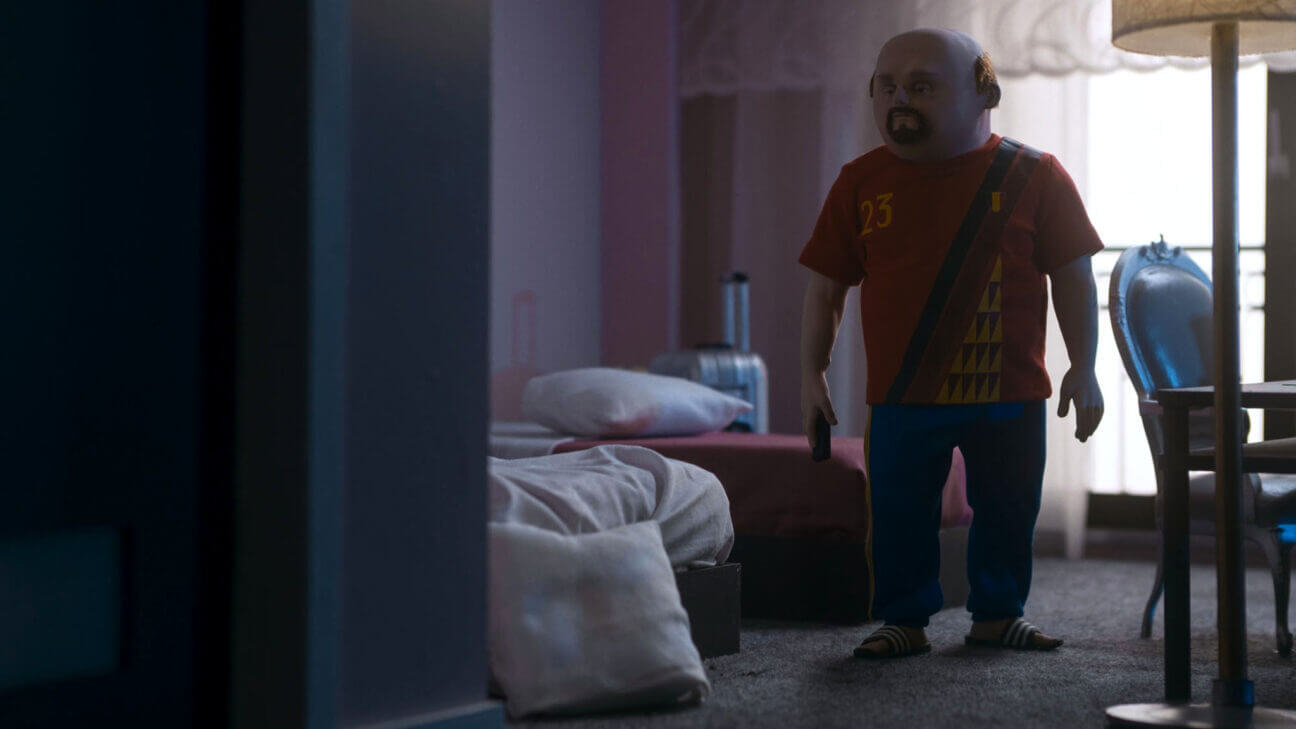
The fine line between reality and uncanny valley was something I was careful not to cross. Designing something new to me – stop-motion puppets – as a novice, was challenging as well. Our characters had a lot of silicon in them, making them heavier and sturdier than your typical Jack Skellington. We also decided not to separate the head from the body, given the movie’s focus on baldness – a decision that certainly irked the animators but resulted in beautifully subtle movements.
How does it feel to be nominated for an Oscar?
It’s quite overwhelming; animation allows you to gain a certain level of fame without the associated recognition. However, the Oscars are a different ball game entirely – it’s taken me way out of my comfort zone. Despite this, I’m absolutely thrilled, I’m heading to LA, and the nomination has opened doors for me.
Join us in watching the 97th Academy Awards on March 2nd 2025 at 7pm ET/4pm ET (March 3rd at 12 am GMT).
Original article: https://www.skwigly.co.uk/nicolas-keppens-beautiful-men/